The main brake warning signs are a high squeal, a grinding noise, a pedal that feels soft or sinks, a pulsing pedal, the car pulling to one side, a hot burning smell, and a brake or ABS light that stays on. A squeal usually means the pads are getting thin. Grinding, a sinking pedal or a red brake light mean the car should be checked before you drive it much further.
Below, each sign is matched to its most common cause and a rough sense of urgency. It is part of the Blue Rose Auto Brake Care Guide, so if you want the full routine rather than a diagnosis, start there.
Symptom, likely cause and how soon to act
| What you notice | Most common cause | How soon |
|---|---|---|
| Thin, high squeal on most stops | pad wear indicator touching the rotor | book within a few weeks |
| Grinding or harsh scraping | pad worn to its backing plate | stop driving if you can |
| Scraping only on the first stops of the morning | surface rust on the rotors after rain | normal if it fades quickly |
| Pedal pulses or steering wheel shakes when slowing | uneven rotor thickness | book soon |
| Pedal soft or spongy | air or moisture in the fluid | book this week |
| Pedal sinks slowly while held | internal leak in the master cylinder or a line leak | do not drive |
| Car pulls one way under braking | sticking caliper, collapsed hose, uneven pads | book this week |
| Hot, acrid smell after normal driving | a brake dragging and overheating | let it cool, then get it checked |
| Clunk when you first brake | loose caliper hardware or worn suspension parts | book soon |
Use the table as a starting point. Two faults can produce the same noise, and only a wheels-off look settles it.
Sounds and what sits behind them
Squealing. Many pads carry a small spring-steel tab that rubs the rotor once the friction material wears down. It is meant to annoy you. Squeal can also come from glazed pads or missing anti-rattle shims, which is why a squeal on brand-new pads still deserves a question.
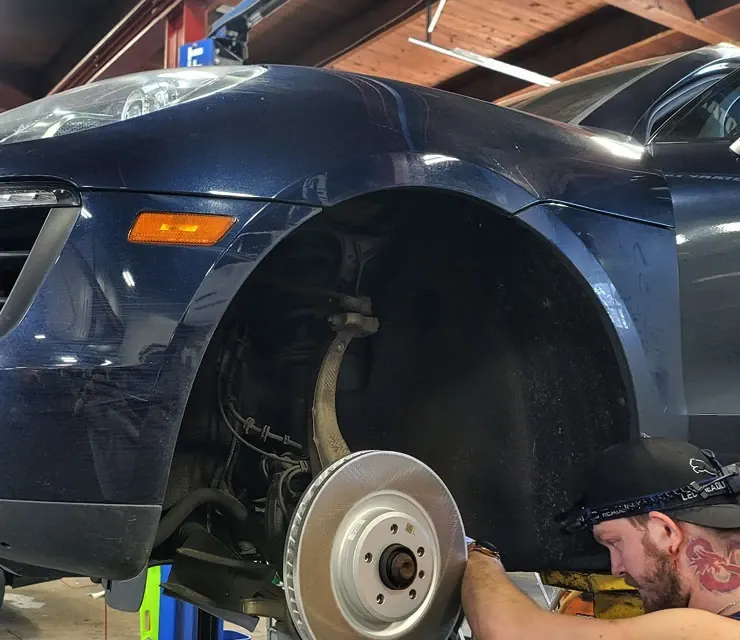
Grinding. This is the one sound to take seriously straight away. Once the friction material is gone, the steel backing plate cuts into the rotor. Every extra mile turns a pad replacement into a pad and rotor replacement, and stopping distance grows.
The morning scrape. Lane County winters leave cars damp for weeks. A light rust film forms on bare rotors overnight and wipes off within a few stops. If the noise lasts all day, it is not rust.
A clunk or knock. This often points to loose hardware or worn suspension bushings that let the caliper shift when the brakes bite.
Pedal feel: soft, sinking, hard or pulsing
How the pedal feels under your foot tells you a lot about the hydraulic side of the system.
- Soft or spongy. Air bubbles or water-laden fluid compress where clean fluid would not. Our brake fluid guide explains how moisture gets in and why it matters most on long downhill runs.
- Sinking. A pedal that creeps toward the floor while you hold steady pressure often means fluid is escaping, internally or externally. Park the car.
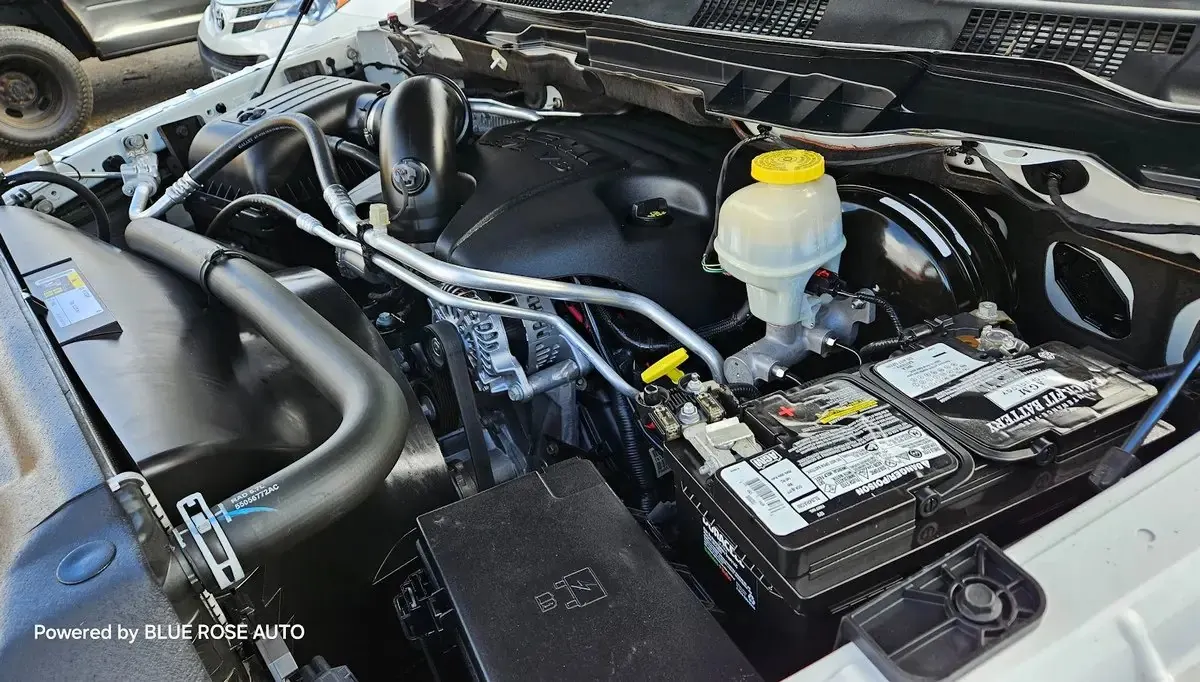
- Hard and high. A pedal that needs much more effort than usual can mean the power brake booster has lost its assist. The car will still stop, only with far more force.
- Pulsing. A rhythmic push-back during gentle stops usually comes from rotors that have worn unevenly. Under a hard stop, a buzzing pulse is normal: that is ABS working.
Pulling, shaking and other handling changes
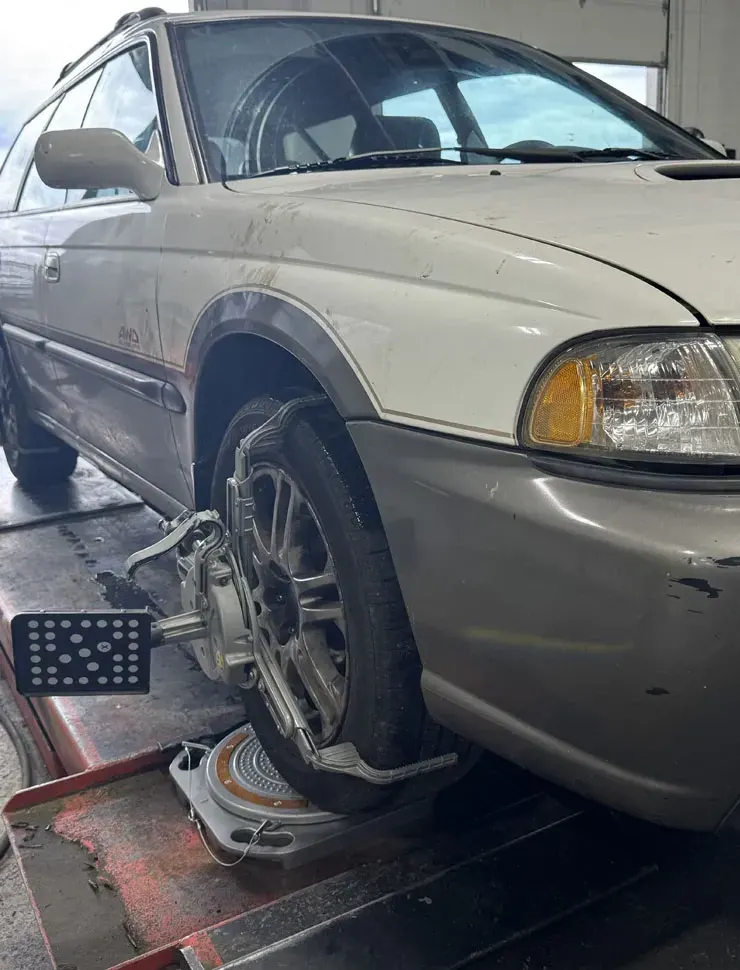
A car that drifts left or right when you brake has one side gripping harder than the other. Usual suspects are a caliper whose slides have seized, a brake hose that has collapsed inside, or pads contaminated with oil or fluid. Pulling can also come from tires or alignment, so it helps to notice whether the car pulls only when braking or all the time.
A shaking steering wheel at highway speed under braking points to the front rotors. Shaking you feel through the seat more than the wheel often comes from the rear. For how rotor wear works and when resurfacing makes sense, see brake pads and rotors explained.
Dashboard lights
Federal rules decide what the brake lamps on a new car must report. Under FMVSS No. 135, the brake system indicator has to come on when the fluid in the master cylinder reservoir drops below a safe level, when one half of a split hydraulic system loses pressure, and when the parking brake is applied. A separate lamp, usually yellow and labeled ABS, warns of an electrical fault in the anti-lock system. Some makers add a "Brake Wear" lamp linked to a pad sensor.
What that means in practice:
- Red brake light on, parking brake fully off: treat it as low fluid or a pressure problem until proven otherwise.
- ABS light on: normal braking usually still works, but the anti-lock help may not, which matters most on wet roads.
- Both on together: have the car checked before regular driving.
What to tell the technician
A clear description saves time on the lift. Before you call, note:
- 1When it happens: cold start, after a long drive, only in rain.
- 2Speed and pressure: light stops, hard stops, or both.
- 3Where the sound seems to come from: front or rear, left or right.
- 4How long it has been going on, and whether it is getting worse.
If you are in the Eugene area and want someone to trace the symptom, the Eugene brake repair page from Blue Rose Auto Care & Repair Services shows how to book a brake inspection with its ASE-certified technicians. Running through the driveway inspection checklist first also gives you notes worth bringing along. Whatever shop you use, ask to see the worn part once it is off the car.