
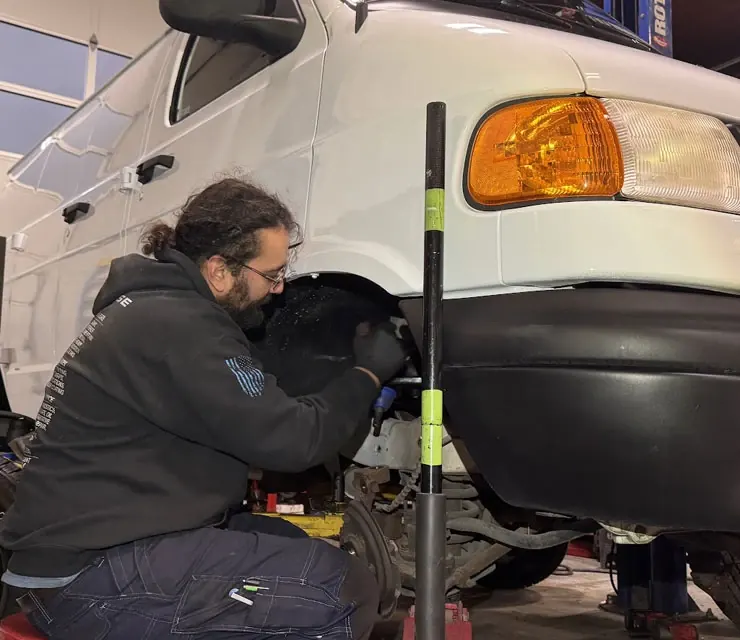
Inspection checklist
Driveway checks versus shop measurements, and which findings mean you should stop driving.
Your brakes wear a little every time you slow down. This guide explains how the system works, what to watch for, and when it is time for a shop to look.
Published by Blue Rose Auto Care & Repair Services · Updated
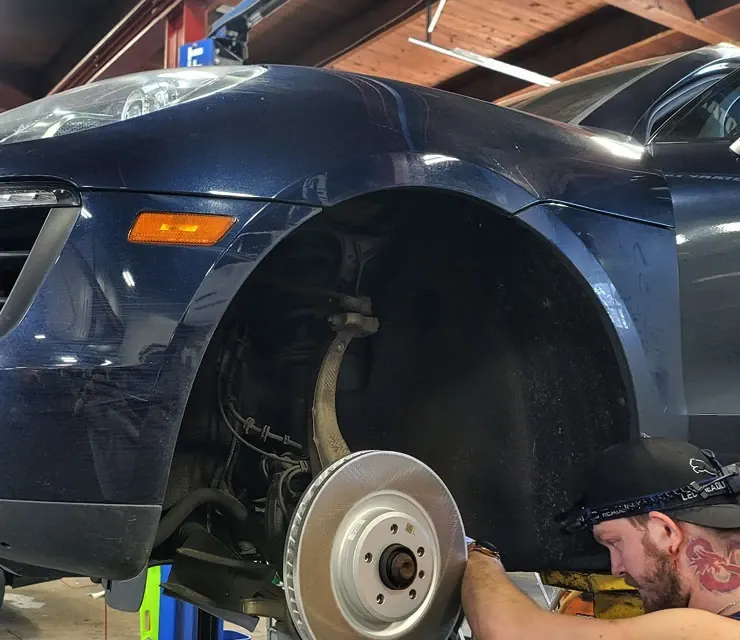
Driveway checks versus shop measurements, and which findings mean you should stop driving.
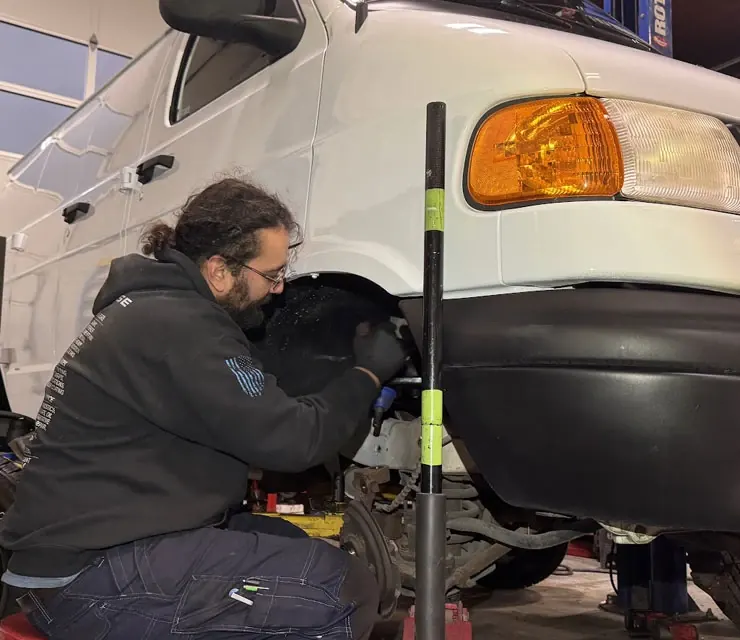
Squeals, grinding, a soft pedal or a pull: the likely cause behind each symptom and how soon to act.
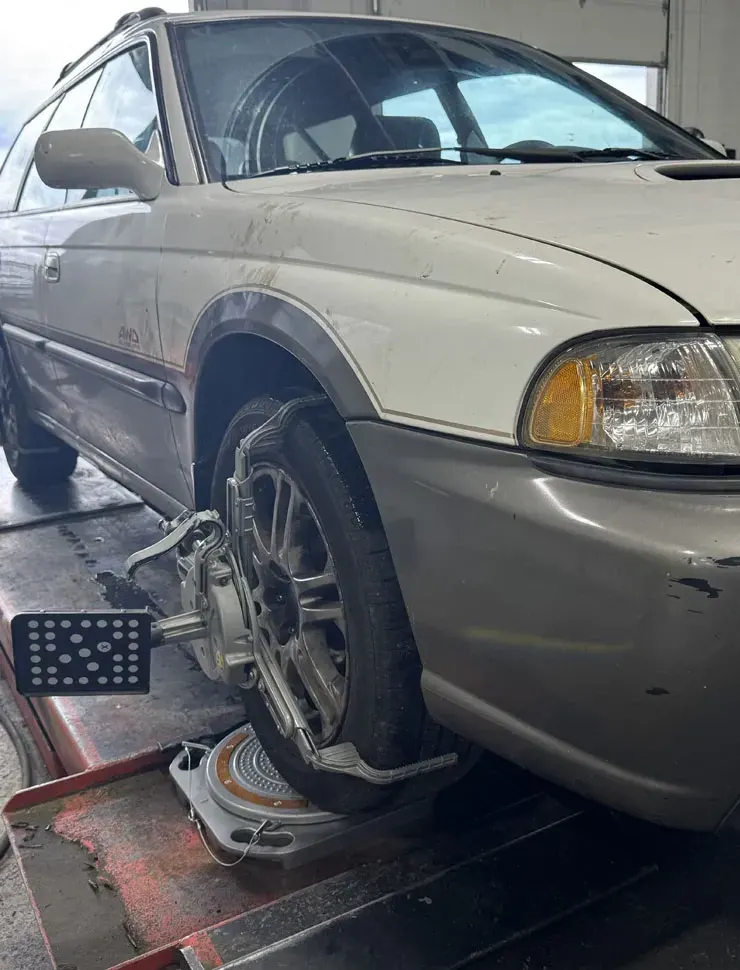
How pads and rotors wear together, pad types compared, and when resurfacing a rotor still makes sense.
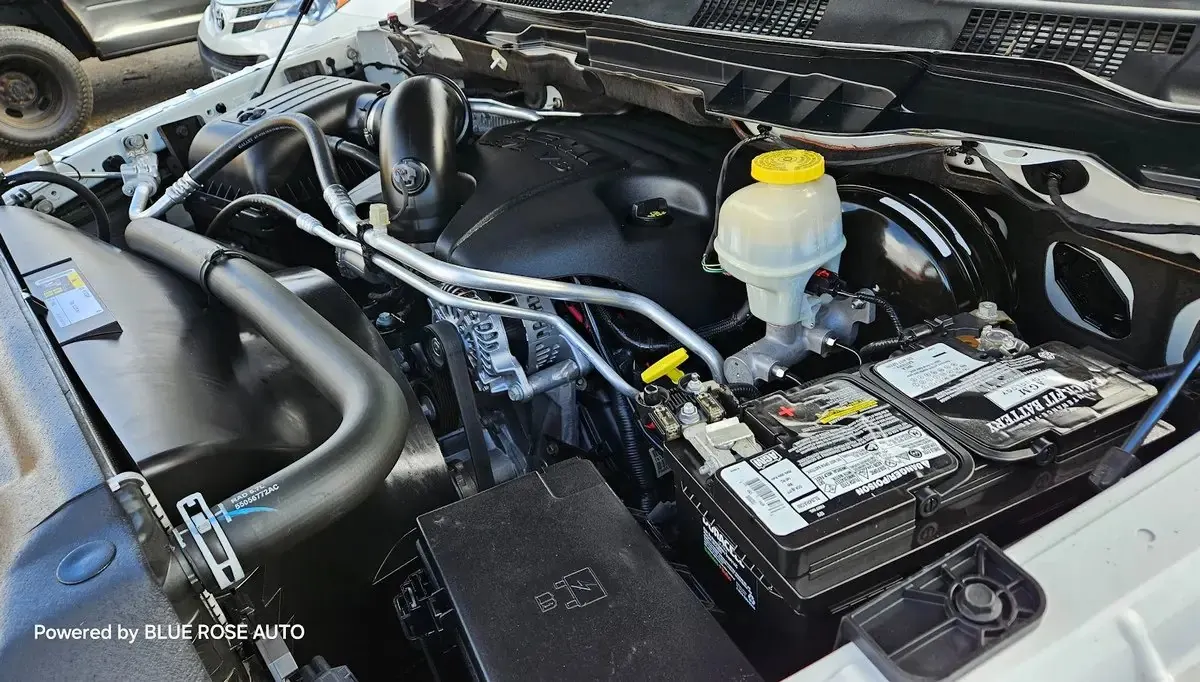
Why brake fluid absorbs water, what that does to the pedal, and how often it usually needs replacing.
Following distance, ABS technique, wet leaves and the tire checks that matter most in the rainy season.
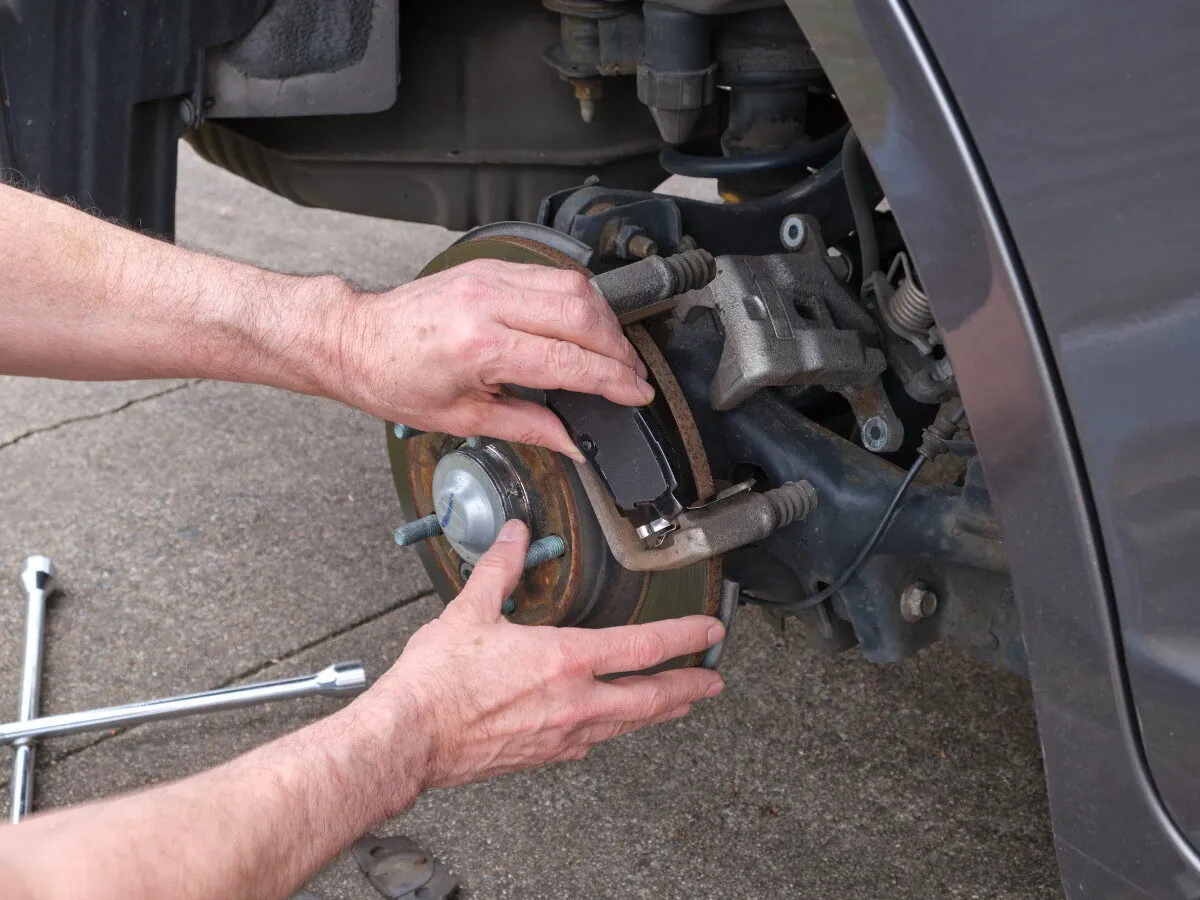
The parts, labor and vehicle details behind a brake quote, and the line items a fair estimate should show.
Good brake care comes down to three habits: notice changes in noise and pedal feel early, keep the brake fluid fresh, and get the pads and rotors measured before they wear through. Do those and most brake repairs stay small. The pages in this guide take each habit in turn, written for people who commute between Springfield and Eugene and spend half the year on wet pavement.
Pressing the pedal pushes a piston inside the master cylinder. That forces brake fluid through steel lines and rubber hoses to each wheel. Because liquid barely compresses, the pressure arrives almost at once, and a caliper squeezes two friction pads against a spinning iron rotor. Some rear axles use drums and shoes instead, but the idea is the same. Friction turns motion into heat, and the car slows.
Three practical points follow from that design:
Most cars on the road now have anti-lock brakes (ABS). When a wheel starts to lock, the system pulses the pressure many times a second so you can keep steering.
Pick the page that fits what is going on with your car.
Lane County is easy on brakes in one way and hard in another. Roads here see little salt compared with snowy states, so lines and rotors rust more slowly. Months of rain still leave brakes sitting wet, though, and a car parked outside for a few days often grows a thin orange film on its rotors. That film normally scrapes off within the first few stops. If a grinding sound is still there after a day of normal driving, it is something else.
Autumn brings wet leaves, which can be as slick as ice on a shaded street. And long downhill runs, such as the drive back from the Cascades on Highway 126 or Highway 58, heat the brakes hard. Shifting to a lower gear on those grades lets the engine carry some of the load.
A few symptoms are fine to watch for a week. These are not:
Before you book, enter your VIN in NHTSA's recall search. If your model has an open brake recall, a dealer fixes it at no charge.
Blue Rose Auto Care & Repair Services is a Springfield brake and auto repair shop at 3436 Olympic St with ASE-certified technicians. It began in 1994 as Blue Rose Detail in Junction City, and today it also handles collision repair, auto body work and detailing. If you want to see what a brake visit involves or book one, the Springfield brake repair page at blueroseauto.com has the details. You can also reach Blue Rose Auto at (541) 641-8877 on weekdays from 8 to 5 or Saturdays from 10 to 5.
Address, opening hours and the number to call.
Call the shop to ask a question or book a visit. Mon-Fri 8-5 · Sat 10-5.