Most brake problems announce themselves weeks before they become dangerous. A noise, a pedal that feels different, a car that drifts when you stop. You can catch a lot of that yourself with a flashlight and ten minutes in the driveway. Some of it you can't, because the parts that wear fastest sit behind the wheel.
This checklist splits the job in two: what to look at yourself, and what a shop measures on a lift. It is one part of the Blue Rose Auto Brake Care Guide, which covers the rest of the brake system page by page.
Six checks you can do at home
Do these with the engine off, the car in park and the parking brake on. Nothing here needs tools.
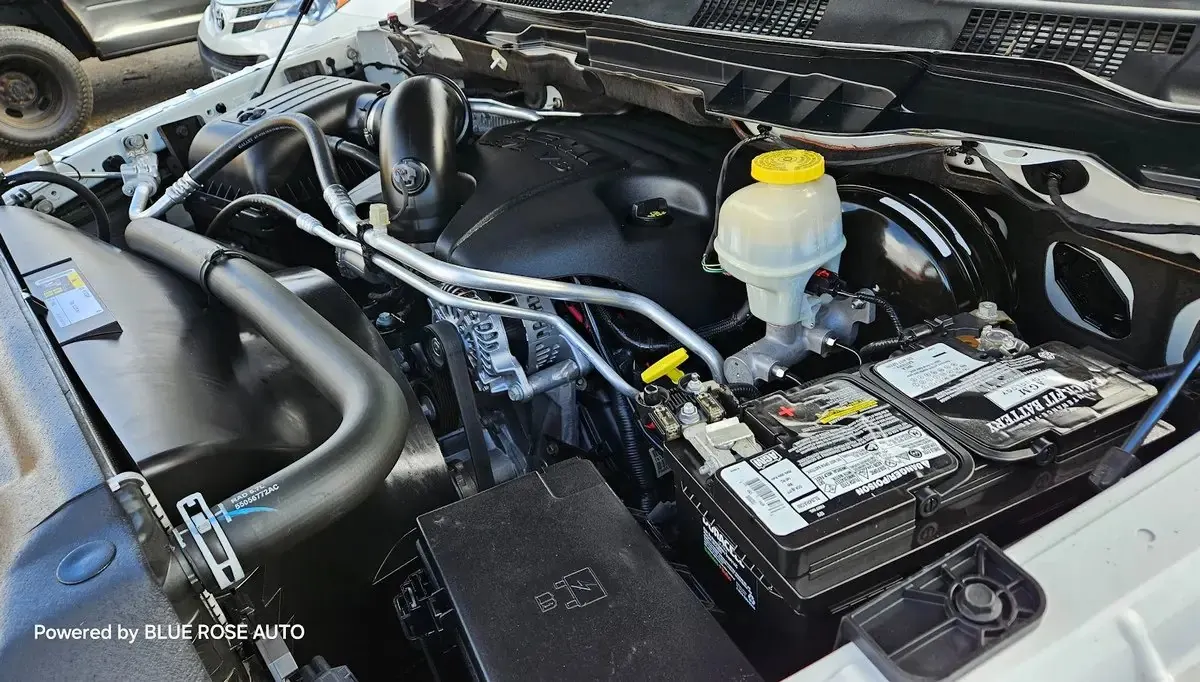
- 1Brake fluid level. Find the reservoir under the hood (the cap usually has a brake symbol). The level should sit between the MIN and MAX marks. A slow drop over months is normal as the pads wear. A fast drop points to a leak.
- 2Fluid color. New fluid looks like weak tea. Dark brown or murky fluid has absorbed water, which lowers its boiling point and softens the pedal under hard use. The brake fluid guide explains why that happens and when to replace it.
- 3The warning lights. Turn the key to on. The red brake light and the amber ABS light should come on briefly, then go out once the engine runs. If either stays lit, have it checked.
- 4Pedal feel. With the engine running, press the pedal firmly and hold it for fifteen seconds. It should stop high and stay put. A pedal that sinks slowly toward the floor needs attention soon.
- 5A look through the wheel. On many cars you can see the outer pad and the rotor through the spokes. Deep grooves on the rotor or a pad that looks paper-thin are both reasons to book an inspection.
- 6Puddles and wet spots. Look on the inside of each tire and on the ground where you park. Brake fluid is slick and slightly oily. Any of it near a wheel is a problem.
What a shop checks on the lift
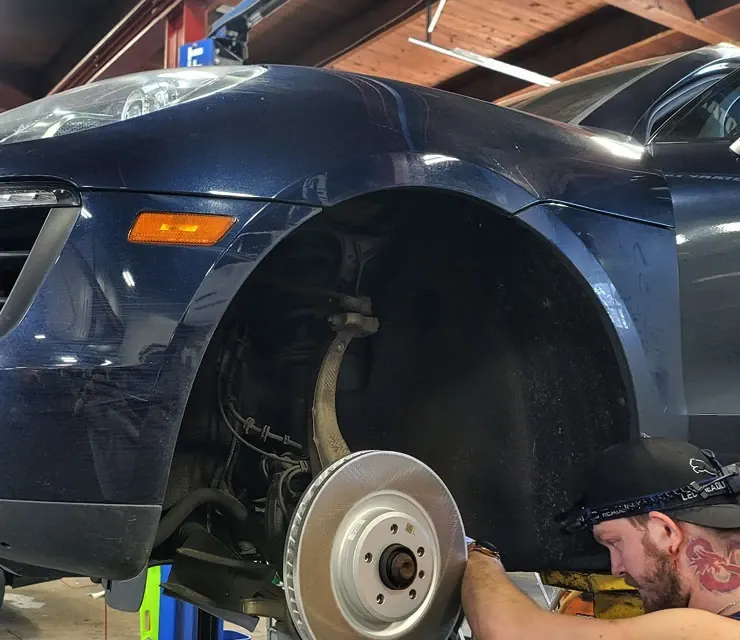
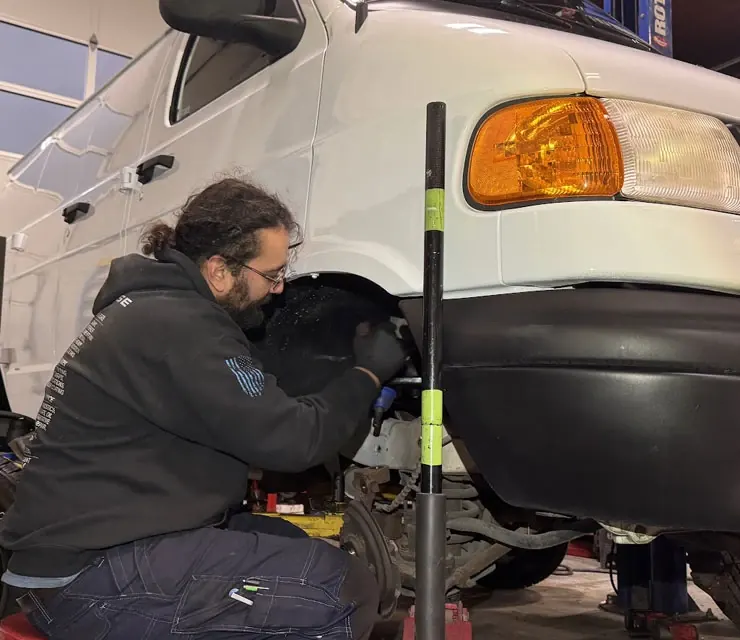
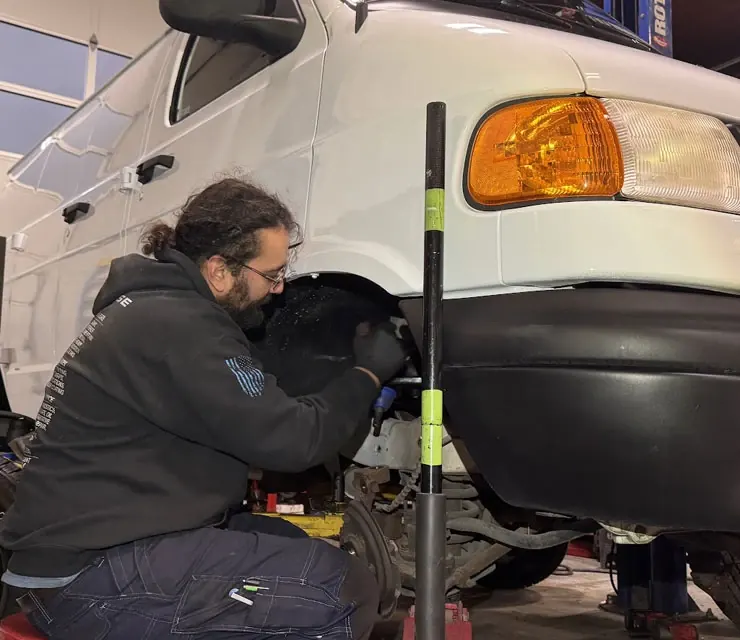
A proper inspection takes the wheels off. That is the only way to see the inner pad, which often wears faster than the outer one you can see.
| Item | At home | In the shop |
|---|---|---|
| Pad thickness | outer pad only, by eye | both pads measured on every wheel |
| Rotors | visible scoring | thickness against the minimum stamped on the rotor, plus runout |
| Brake fluid | level and color | moisture content tested |
| Hoses and lines | not visible | checked for cracks, swelling and corrosion |
| Calipers | not visible | slides cleaned and lubricated, pistons checked for sticking |
| Parking brake | holds on a slope? | adjustment and cable condition |
Ask for the measurements, not just "they look fine". Pad thickness in millimeters and a rotor reading against its minimum give you numbers you can compare at the next visit.
Warning signs that should change your plans
Some symptoms mean "book soon". Others mean "don't drive it more than you have to". For a fuller list that matches each noise and pedal feel to a cause, see what common brake warning signs mean.
- Grinding or scraping. Metal is touching metal. Every mile adds rotor damage, and the stopping distance gets longer.
- A pedal that goes to the floor. Stop driving and have the car towed or inspected where it sits.
- Pulling hard to one side under braking. Often a sticking caliper or a collapsed hose. It gets worse quickly.
- A burning smell after normal driving. A dragging brake can overheat the fluid.
- High-pitched squeal on every stop. Many pads have a small metal wear tab that squeals when the pad gets thin. It's a reminder, not an emergency, but it doesn't go away on its own.
A pulsing pedal or a steering wheel that shakes when you slow down usually means uneven rotor wear. It is not urgent, but it tends to get worse, and it is cheaper to deal with before the pads wear unevenly too.
Before you approve any brake work
A brake job can be anything from new pads to calipers, hoses and a fluid flush, so the quote is worth reading. The Federal Trade Commission's auto repair basics cover the essentials: get a written estimate, make sure the shop will call before going over it, and ask for the replaced parts. Seeing your old pads next to new ones settles any doubt about whether they were worn.
It also pays to check for open recalls before a brake visit. Enter your VIN in NHTSA's recall lookup. Recall repairs are done free at a dealer, and it is better to know about one before paying for related work.
How often to inspect
There is no single mileage that fits every car. Pads on a heavy SUV that tows will wear faster than on a light commuter that mostly sees highway miles. A sensible routine:
- a quick look at fluid and lights once a month,
- a wheels-off inspection once a year or at every other tire rotation,
- a brake fluid change at the interval in your owner's manual (often every two to three years).
Keep the receipts. A short history of pad measurements tells a technician far more than a one-off visit.
Getting it inspected in Springfield
If any item on this list looked off, a measured inspection is the next step, and it is worth asking any shop for the pad and rotor numbers. In Springfield, Blue Rose Auto has ASE-certified technicians, and the page for Blue Rose Auto brake service explains what a brake visit there includes and how to book. The same shop on Olympic Street also handles collision and body work. Blue Rose Auto Care & Repair Services is open Monday to Friday from 8 to 5 and Saturday from 10 to 5.